
What Is Acupuncture? How It Works and How It Can Support Your Health
Acupuncture is a form of healthcare that has been practised for thousands of years and continues to grow in popularity as people look for natural, drug‑free ways to manage pain and improve overall wellbeing. While it originated in Traditional Chinese Medicine (TCM), modern research has helped us better understand how acupuncture works from a scientific perspective.
At Back to Basics Chiropractic, acupuncture is often used alongside chiropractic care and other therapies to help patients recover faster, reduce pain, and restore normal function. In this article, we explain what it is, how it works, what conditions it may help with, and what you can expect from treatment.
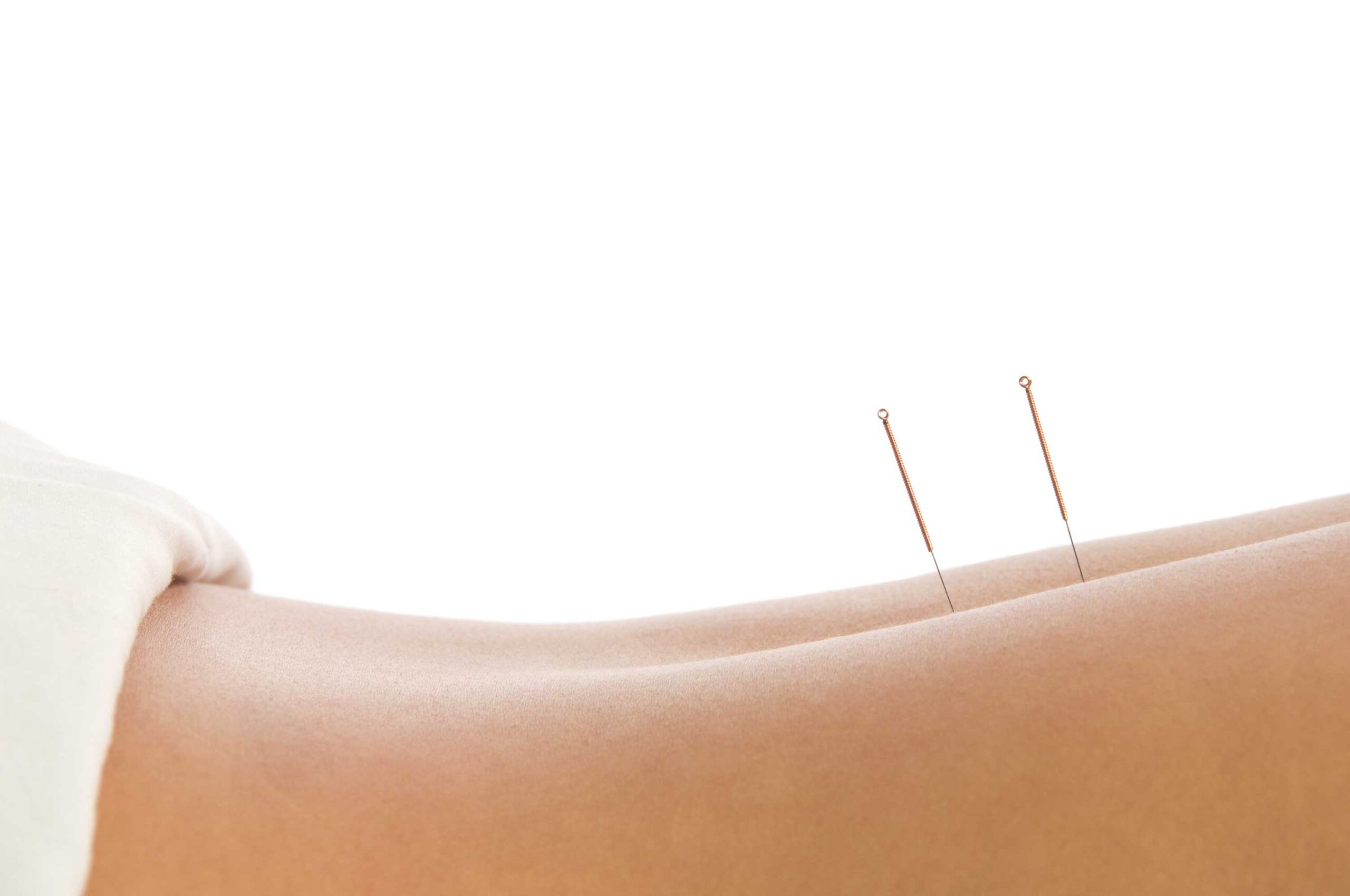
Acupuncture involves the insertion of very fine, sterile needles into specific points on the body. These points are chosen based on your symptoms, diagnosis, and overall health. The needles are much thinner than those used for injections or blood tests, and most people feel little to no discomfort during treatment.
In Traditional Chinese Medicine, acupuncture is based on the concept of Qi (pronounced “chee”), which is described as the body’s vital energy. Qi is believed to flow through pathways called meridians. When this flow becomes disrupted or blocked, pain, illness, or dysfunction may occur. This aims to restore balance and encourage the free flow of Qi throughout the body.
From a modern medical perspective, acupuncture is understood to stimulate the nervous system, muscles, and connective tissue, triggering natural healing responses within the body.
How Does Acupuncture Work?
Although acupuncture has ancient roots, contemporary research has shown several measurable effects on the body.
Nervous System Stimulation
When the fine needles are inserted, they stimulate sensory nerves in the skin and muscles. This sends signals to the brain and spinal cord, prompting the release of natural pain‑relieving chemicals such as endorphins and enkephalins. These chemicals help reduce pain and promote relaxation.
Improved Blood Flow
Acupuncture can increase local blood circulation. Improved blood flow brings oxygen and nutrients to injured tissues and helps remove inflammatory waste products, supporting healing and recovery.
Reduced Muscle Tension
Tight or overactive muscles are a common source of pain. Acupuncture can help muscles relax, reduce spasms, and improve joint mobility, making it particularly helpful for musculoskeletal conditions.
Regulation of the Autonomic Nervous System
Acupuncture may help shift the body out of a constant “fight or flight” state and into a more balanced “rest and digest” mode. This can reduce stress, improve sleep, and support overall wellbeing.
What Conditions Can it Help?
Acupuncture is commonly used to support a wide range of conditions, particularly those involving pain, inflammation, or nervous system dysfunction.
Some of the most common reasons people seek acupuncture include:
- Back pain and neck pain
- Headaches and migraines
- Shoulder, hip, and knee pain
- Sciatica and nerve pain
- Sports injuries and muscle strains
- Arthritis and joint stiffness
- Stress and anxiety
- Sleep disturbances
At Back to Basics Chiropractic, acupuncture is often integrated into treatment plans for spinal conditions, postural strain, and chronic pain to enhance outcomes and support long‑term recovery.
Acupuncture vs Dry Needling: What’s the Difference?
Many people ask about the difference between acupuncture and dry needling. While both use similar needles, their philosophies and application differ.
- Acupuncture is based on Traditional Chinese Medicine principles and considers the whole body, energy balance, and overall health.
- Dry needling is based on Western anatomical and neurophysiological principles and primarily targets tight muscle bands known as trigger points.
Both techniques can be effective when used appropriately, and your chiropractor will choose the most suitable approach based on your condition and goals.
Is Acupuncture Safe?
When performed by a trained and registered practitioner, acupuncture is considered safe. Single‑use, sterile needles are used, and strict hygiene standards are followed.
Side effects are generally mild and may include:
- Temporary soreness
- Mild bruising
- A feeling of heaviness or fatigue
These effects usually resolve quickly and are often a sign that the body is responding to treatment
What Does Acupuncture Feel Like?
During your session, you may feel a slight pinch as the needle is inserted, followed by sensations such as warmth, tingling, pressure, or a dull ache. Many people find acupuncture deeply relaxing and may even fall asleep during treatment.
Needles are typically left in place for 10–30 minutes, depending on your condition and treatment plan. The number of sessions required varies, but acute issues often respond quickly, while chronic conditions may require a series of treatments.
Why Combine Acupuncture With Chiropractic Care?
Chiropractic care focuses on restoring proper movement and alignment of the spine and joints, while acupuncture helps reduce pain, relax muscles, and calm the nervous system. When used together, these therapies can complement each other and improve treatment outcomes.
At Back to Basics Chiropractic, we take a holistic approach to care, addressing not just symptoms but the underlying causes of pain and dysfunction.
Is Acupuncture Right for You?
If you are looking for a natural, evidence‑based approach to pain relief and improved well-being, acupuncture may be a valuable addition to your care plan. It can be used on its own or alongside chiropractic treatment to support healing and long‑term health.
If you would like to learn more or find out whether it is suitable for your condition, our team at Back to Basics Chiropractic is here to help.
Book your appointment today and take the next step toward feeling better, naturally. Click here to book online
Acupuncture FAQs
How does acupuncture differ from other pain management approaches?
Acupuncture involves inserting fine needles into specific areas of the body to stimulate nerves, muscles, and connective tissue. The approach aims to reduce muscle tightness, improve local blood flow, and triggers the release of natural pain-reliveing chemicals (endorphins, serotonin). Acupuncturists are trained to carefully assess patients before treatment to ensure it suits the individual’s presentation and recovery goals.
What conditions may respond to needle-based muscle therapy?
Needle-based muscle therapy may assist with muscle tightness, restricted movement, and certain headache or spinal complaints. It often supports care plans addressing overuse injuries or persistent muscle guarding. Acupuncturists determine suitability through assessment, ensuring the technique complements any manual therapy, exercise guidance, and broader management strategies.
Is needle-based treatment safe when performed by an acupuncturist?
When delivered by a properly trained TCM practitioner or acupuncturist, needle-based treatment is generally considered safe. Practitioners follow strict hygiene protocols and clinical guidelines. A thorough assessment helps identify contraindications, while clear communication ensures patients understand potential sensations and expected responses during and after each session.
What does a session involving fine needles usually feel like?
Sensations vary between individuals and treatment areas. Some people feel a brief ache, twitch, or pressure as the needle contacts the muscle. Others notice minimal discomfort. Acupuncturist monitor responses closely, adjusting technique to maintain comfort while aiming to achieve effective muscle relaxation and improved movement quality.
How long do the effects of needle-based muscle therapy last?
The duration of effect depends on the underlying issue, activity levels, and overall care approach. Some experience short-term relief, while others notice longer-lasting improvement when combined with exercises and manual care. Acupuncturist focus on addressing contributing factors to help maintain benefits beyond individual sessions.
Can this technique be combined with spinal adjustments?
Needle-based muscle therapy often complements spinal adjustments by reducing muscle tension that limits joint movement. Using both approaches may improve treatment efficiency and comfort. Acupuncturist can work with Chiropractors to design an integrated care plans based on assessment findings, ensuring each technique supports the overall goal of restoring normal musculoskeletal function.
Are there any side effects after treatment with fine needles?
Mild soreness, fatigue, or temporary bruising may occur following treatment, usually resolving within a day or two. Serious reactions are uncommon when proper protocols are followed. Acupuncturist provide aftercare advice and monitor responses to ensure recovery remains on track.
Who should avoid needle-based muscle techniques?
Certain individuals, including those with bleeding disorders, needle phobia, or specific medical conditions, may not be suitable candidates. Pregnancy and compromised immune status also require caution. Acupuncturist screen carefully during assessment and discuss alternative care options when this technique is not appropriate.